Exploring the Elegance and Practicality of Old Rose Seamless Patterns
The world of digital design assets is vast, filled with countless patterns, textures, and motifs ready to bring projects to life. Among these resources, the Old Rose seamless pattern category stands out as a perennial favorite for those seeking a touch of classic sophistication with modern practicality. Unlike a standalone graphic, a seamless pattern is a tileable image designed to repeat infinitely without visible seams or breaks, creating a continuous, cohesive background or texture.
What Distinguishes the Old Rose Pattern Style
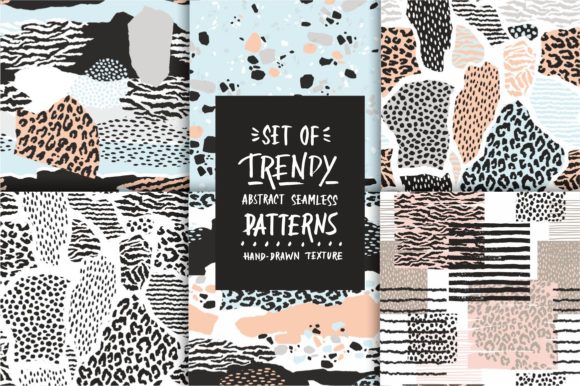
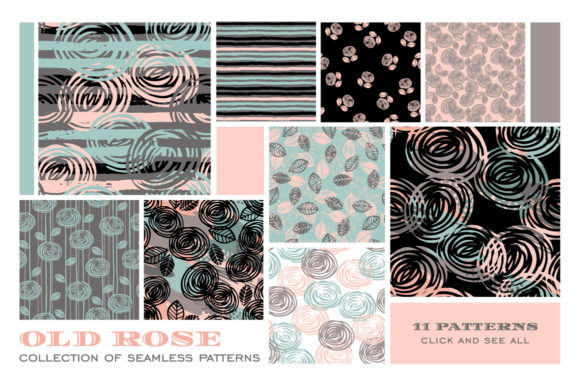
Old Rose seamless patterns are defined by a specific aesthetic blend. The color "Old Rose" itself is not a bright, modern pink, but rather a muted, dusky hue often with hints of mauve, taupe, or grayish undertones. It evokes a sense of weathered elegance, reminiscent of vintage fabrics, faded wallpapers, or traditional botanical illustrations. When crafted into a seamless pattern, this color is typically applied to motifs like delicate florals, intricate damasks, subtle geometric lace, or organic, painterly textures.
The key distinction lies in the marriage of this historical, romantic color palette with the technical requirement of seamless repetition. A high-quality Old Rose seamless pattern must not only be visually appealing as a single tile but must also maintain its compositional balance and color consistency when repeated across a large digital canvas. This makes it a versatile asset, equally capable of providing a full website background as it is of texturing a small digital greeting card.
Common Design Applications and Use Cases
The applications for such patterns are broad. Web designers often use them to create warm, inviting, and slightly feminine backgrounds for blogs, boutique e-commerce sites, or artistic portfolios. Graphic designers employ them in print projects like book covers, stationery, or packaging where a tactile, vintage feel is desired. In digital content creation, Old Rose seamless patterns serve as elegant overlays for social media graphics, video backdrops, or presentation slides.
A practical example: a designer crafting a website for a bespoke tea company might select an Old Rose pattern with a subtle, repeating herbal motif. The seamless nature ensures the background doesn’t appear disjointed or awkward on any screen size, while the color and theme directly support the brand’s narrative of tradition and refined taste.
Comparing Pattern Resources and Evaluating Quality
When sourcing a seamless pattern like Old Rose, designers typically evaluate several key factors across available resources. These include technical quality, stylistic variety, licensing terms, and file format options.
Technical Quality: The foremost consideration is the actual seamlessness. Lower-quality patterns may have visible edges, color banding, or misaligned motifs when tiled. A good Old Rose seamless pattern will be tested for repetition and provided in a resolution high enough for both web and print use.
Stylistic Variety: Even within the "Old Rose" color family, patterns can range from highly ornate and formal to minimalist and abstract. Some resources offer a single, fixed design, while others provide a collection with variations in scale, motif complexity, and secondary accent colors.
Licensing and Format: Patterns can be free with restrictive licenses, premium with broad commercial rights, or subscription-based. File formats matter too; a pattern only available as a low-resolution JPG is less useful than one offered as a scalable vector (SVG) or high-definition PNG with a transparent background.
When Old Rose Seamless Patterns Are the Right Fit
Choosing an Old Rose seamless pattern is often ideal for projects requiring a specific emotional tone. It is well-suited for brands, content, or products aiming to communicate:
- Nostalgia or Heritage: The color inherently suggests a connection to the past.
- Subtle Femininity: Without being overtly bright or girlish, it offers a soft, mature feminine touch.
- Artistic or Handcrafted Quality: Many patterns in this style mimic traditional printing or painting techniques.
- Calm and Warm Sophistication: It is less stark than pure white or black and less energetic than primary colors.
For a wedding planner’s website, a digital journal focused on classic literature, or a marketing campaign for a heritage perfume brand, an Old Rose pattern could align perfectly with the thematic goals.
Trade-offs and Potential Limitations
Despite its strengths, an Old Rose seamless pattern is not a universal solution. Its primary trade-off is its very specific color mood. The dusky rose hue can appear dull or desaturated in contexts that demand vibrancy and high contrast. It might not suit a technology brand aiming for a crisp, futuristic look or a children’s app needing bright, stimulating visuals.
Furthermore, the success of the pattern depends heavily on the surrounding design elements. Text overlaid on an Old Rose background must be carefully chosen for readability—often requiring a strong, dark font color or a contrasting text box. If the pattern motif is too busy or detailed, it can compete with foreground content, making the layout feel cluttered.
Another consideration is trend cycles. While classic styles have enduring appeal, the popularity of specific vintage palettes can fluctuate. Using an Old Rose pattern might place a project firmly in a "traditional" aesthetic category, which could be a deliberate choice or a potential limitation if a more zeitgeist-driven look is desired.
Scenarios Where Alternative Options May Be Needed
Designers should consider alternatives when the project parameters diverge from the pattern’s inherent qualities. If the brand color palette is locked to cool blues and grays, an Old Rose pattern would clash. Similarly, for projects demanding maximum accessibility and stark readability, a simpler, solid background might outperform a textured pattern.
Other alternative routes include:
- Custom Color Adjustment: Some designers purchase a high-quality, grayscale seamless pattern and digitally recolor it to their exact needs, bypassing the need to find a pre-made "Old Rose" version.
- Different Pattern Styles: Exploring seamless patterns in neutral tones (beige, gray), bold geometrics, or natural textures (linen, paper) might better serve a project’s functional requirements.
- Non-Seamless Backgrounds: For layouts where a single, focal background image is preferable, a unique illustration or photograph might be more impactful than a repeating tile.
Making an Informed Decision on Pattern Selection
The choice to use an Old Rose seamless pattern, or any pattern, should stem from a clear match between the asset’s attributes and the project’s goals. A helpful evaluation process involves asking practical questions:
- Does the emotional tone of "Old Rose" (muted, vintage, soft) support my brand or content message?
- Is a repeating background the best technical solution for my layout across all device sizes?
- Does the specific pattern’s motif scale and complexity allow my foreground content (text, buttons, images) to remain clear and legible?
- What are the licensing terms, and do they fit my project’s scope (personal, commercial, widespread distribution)?
- Have I compared the visual impact against a few solid colors or minimal textures to ensure the pattern adds value, not just decoration?
By weighing these factors, designers can avoid simply picking a pattern because it is aesthetically pleasing in isolation. Instead, they can assess its role as a functional component within a larger system.
Ultimately, Old Rose seamless patterns occupy a distinct niche. They offer a reliable path to achieving a particular, timeless ambiance with the practical benefit of infinite scalability. Their value is maximized when their classic color and seamless technology are aligned with a project’s need for warmth, tradition, and understated elegance. For those occasions where a different mood or function is priority, the vast landscape of other design resources provides ample alternatives. The informed choice lies in recognizing both the specific charm and the inherent boundaries of this enduring design style.