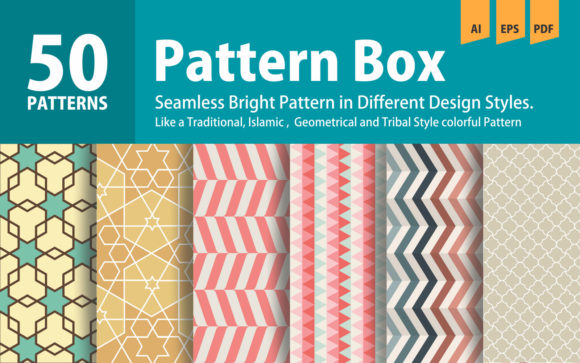
The 50 Patterns Collection Pattern Box: Your Toolkit for Systematic Creativity
In a world saturated with information and inspiration, the real challenge for creators, professionals, and entrepreneurs is not finding ideas, but structuring them into effective, repeatable solutions. The 50 Patterns Collection Pattern Box addresses this core need. It is not merely a collection of templates; it is a curated system of foundational design, communication, and problem-solving patterns. These patterns serve as cognitive shortcuts, proven frameworks that can be adapted and applied across disciplines—from designing a user interface, crafting a marketing campaign, structuring a business process, or even organizing personal projects.
Why Patterns Are Becoming Essential in Modern Workflows
The relevance of a pattern-based approach is magnified by current trends in how we work and create. The pace of digital innovation demands efficiency. Professionals are expected to produce high-quality output consistently, often under tight deadlines. Simultaneously, user expectations have risen; audiences seek experiences that are intuitive, aesthetically pleasing, and functionally seamless. This creates a pressure point: the need for both speed and substance.
Patterns offer a resolution. By leveraging established, successful frameworks, individuals and teams can bypass reinventing the wheel for every new task. This aligns perfectly with the growing preference for modular, agile workflows in technology, business, and creative practices. Instead of starting from a blank slate, one starts from a proven foundation—the pattern. This shift mirrors broader lifestyle shifts towards intentionality and systemization, where tools that help organize complexity are highly valued.
The Evolution from Inspiration to Application
Historically, creative and professional resources focused on inspiration—galleries of finished work, case studies, or abstract principles. While valuable, they often left a gap in the "how." Observing a beautiful website doesn't inherently teach you the structural decisions that made it work. The 50 Patterns Collection Pattern Box represents an evolution from pure inspiration to actionable application. It codifies the underlying skeletons of successful designs and solutions.
People are paying more attention to this because the digital toolbox has matured. We have moved past the early days of experimentation into a phase of optimization and scalability. For a blogger, understanding the pattern of a compelling "hero section" is more useful than simply seeing ten examples of it. For an educator, applying a clear information hierarchy pattern can improve lesson material more effectively than browsing attractive infographics. This collection serves as a bridge between seeing what works and knowing how to build it.
Practical Implications for Users and Creators
The practical value of the Pattern Box is multifaceted. For a freelancer or solo entrepreneur, it acts as a personal consultancy kit. When faced with a client request to design a landing page, one can refer to conversion-focused layout patterns rather than grappling with basic composition questions anew. This saves time and increases confidence in delivering professional results.
For marketers and business owners, patterns extend beyond visual design. Communication patterns, such as those for structuring a value proposition or organizing a feature list, can directly improve campaign clarity and customer understanding. In a market where attention is scarce, clear, pattern-driven communication cuts through noise.
Educators and trainers can use these patterns to design more effective instructional materials and presentations. A pattern for progressive disclosure, for example, can be adapted to slowly unveil complex topic details, enhancing comprehension. Meanwhile, hobbyists and curious readers find in these patterns a way to elevate their personal projects, whether it's designing a family newsletter or planning a community event, with principles used by professionals.
Integrating Patterns into Everyday Practice
Adopting a pattern-driven approach does not mean producing generic, cookie-cutter work. The key is adaptation. Consider a common pattern: the "Grid of Items with Filtering." This pattern's core logic—displaying items in a uniform grid and providing dynamic filters—is ubiquitous in e-commerce, portfolio sites, and content libraries. The practical implication is that when building any collection-based interface, this pattern provides a starting blueprint for usability. The creator's job then becomes customizing its visual style, filter categories, and interactions to fit the specific context and brand.
Another realistic example is the "Step-by-Step Process" pattern. For a business owner creating a service explanation page, applying this pattern ensures the information is broken into logical, sequential stages. This meets modern user expectations for clarity and scannability. The pattern provides the structure; the business fills it with its unique content.
Recommendations for Effective Pattern Use
To leverage the 50 Patterns Collection Pattern Box effectively, start with diagnosis, not random selection. First, clearly define the problem or goal of your project. Are you trying to explain a complex service? Guide a user through a task? Display a portfolio? Then, browse the collection for patterns that align with that core objective. Treat patterns as flexible frameworks. The provided structure is the constant; your content, branding, and medium are the variables.
Avoid the temptation to use multiple complex patterns on a single project. Often, one or two core patterns, combined thoughtfully, are sufficient. Over-patterning can lead to clutter and confuse the end user. Remember, patterns are meant to reduce cognitive load for both the creator and the audience. Finally, practice pattern recognition in the world around you. Analyze apps, websites, and physical products you encounter daily. You'll begin to see the underlying patterns in use, deepening your understanding of why they work and how you can remix them for your own needs.
A Forward-Looking, Grounded Approach
As technology continues to evolve, with new platforms and interfaces emerging, the fundamental human needs for clarity, efficiency, and beauty remain. Patterns are durable because they address these fundamentals. The 50 Patterns Collection Pattern Box is a toolkit for navigating this change. It empowers individuals to build work that feels contemporary and user-centric without requiring constant, frantic reinvestigation of first principles.
The future of creative and professional work will likely involve more hybridization—combining roles, mediums, and disciplines. A marketer might need basic UX principles; a developer might need communication design insights. A pattern collection that transcends single disciplines provides a common language and a shared set of tools for this converging landscape. It offers a realistic path to higher quality and greater efficiency, not through magical automation, but through the thoughtful application of organized, shared knowledge. In essence, it turns isolated inspiration into systematic creativity.