The Growing Appeal of Penguin Digital Paper Patterns for Crafters and Designers
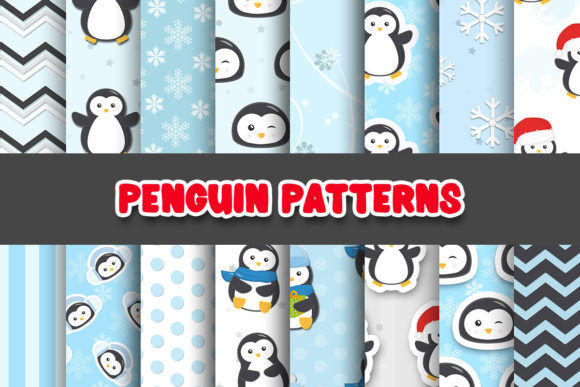
If you spend any time in online crafting communities or browse digital marketplaces, you have probably noticed a surge in demand for themed digital paper packs. Among the most popular seasonal and character-driven designs, Penguin Digital Paper Patterns have carved out a noticeable niche. These aren't just simple clip-art sheets. They are carefully constructed seamless patterns, often available in high-resolution formats suitable for everything from scrapbooking to custom product design.
What makes a penguin pattern more than a cute image slapped onto a background? The answer lies in composition, repeatability, color theory, and the intended end-use. A well-made digital paper featuring penguins can range from whimsical watercolor styles to geometric, minimalist interpretations that work in modern branding contexts.
Understanding the Core Appeal of Penguin Imagery in Digital Assets
Penguins carry universal associations that designers can leverage effectively. They evoke playfulness, winter coziness, family bonds, and a certain orderly charm. Unlike holiday-specific motifs such as reindeer or snowmen, penguins have a broader seasonal window. A subtle penguin pattern can feel appropriate from late autumn through early spring, making it a more versatile investment for creators who sell physical products online.
On platforms like Etsy, Creative Market, and Design Cuts, Penguin Digital Paper Patterns often appear in collections aimed at:
- Winter-themed baby shower decorations
- Classroom bulletin board materials and educational printables
- Holiday card backgrounds that avoid overt religious imagery
- Fabric print designs for children's clothing
- Digital planner stickers and dashboard elements
The emotional response these patterns trigger should not be underestimated. A parent printing party favors wants something instantly recognizable and endearing. A teacher downloading resources for a January unit on polar animals needs visuals that hold young children's attention. Penguin designs meet both needs without requiring complex explanation.
What Sets High-Quality Penguin Digital Paper Apart
Not all digital paper patterns are created equal, and the differences become painfully obvious when you try to use a low-resolution file for a print project. Here is what seasoned crafters and professional designers evaluate before purchasing or downloading a penguin-themed pack.
Resolution and Print-Readiness
The standard expectation for printable digital paper is 300 DPI, translating to a 12x12-inch canvas at 3600x3600 pixels. Some sellers offer A4 or letter-sized options. When a pattern file falls below this threshold, scaling it for a physical product results in blurriness and pixelation. Serious sellers of Penguin Digital Paper Patterns always specify DPI and pixel dimensions clearly in their product descriptions.
Seamless Versus Placed Designs
There is a crucial distinction between a seamless repeating pattern and a single centered illustration. True digital paper tiles flawlessly. You can cover a large surface, such as a table runner or a continuous roll of wrapping paper, without visible breaks. Poorly constructed repeats create awkward grid lines that ruin the professional look of finished projects. When previewing a pattern, zoom in and mentally trace where one tile ends and another begins. A well-executed penguin pattern will scatter motifs organically and use background textures that blend across the repeat boundary.
Color Profiles and Consistency
Many digital pattern purchases disappoint because what looked soft and pastel on a screen prints with a muddy, oversaturated cast. This usually happens when files are provided in RGB without conversion advice for CMYK printing. Trustworthy creators include notes about color profiles and sometimes supply both versions. For Penguin Digital Paper Patterns intended for physical products, check if the listing mentions sRGB or CMYK compatibility, and whether colors remain true across the included file types.
Practical Applications Across Different Creative Projects
The versatility of a penguin-themed pattern surprises many newcomers. Beyond the obvious scrapbook paper usage, these designs find their way into unexpected corners of the maker economy.
Small Business Product Lines
Makers who run craft businesses often use digital papers as the foundation for physical goods. A single seamless penguin pattern can become a coordinated product range: fabric-covered notebooks, adhesive sticker sheets, washi tape strips, tissue paper for gift wrapping, and ceramic mug decals. The initial cost of the digital file remains the same whether you produce ten items or five hundred, making the value proposition attractive for small-batch manufacturers.
Some print-on-demand sellers build entire seasonal collections around a well-chosen pattern set. By pairing Penguin Digital Paper Patterns with complementary solids and coordinating stripes or snowflake textures, they create cohesive shop sections that boost perceived brand professionalism.
Educational and Therapeutic Settings
Teachers and therapists frequently seek engaging visual materials that don't feel overly commercial. Penguin patterns serve as backgrounds for sequencing cards, emotion identification charts, or reward systems. The black-and-white contrast inherent to penguin bodies makes them visually distinct, helpful for young children or individuals with certain visual processing difficulties. An occupational therapist might use a laminated penguin-patterned sheet as a fun placemat during fine motor activities, knowing the recognizable character adds motivation without overwhelming sensory input.
Personal Memory Keeping and Planning
The planner and journaling community has embraced digital papers with enthusiasm. Penguin patterns appear as dashboard backgrounds, monthly cover inserts, and decorative layering pieces for pocket pages. Winter travel albums documenting trips to cold destinations feel more thematically cohesive when the paper choices echo the icy environment. Memory keepers who document December daily albums often prefer penguin motifs to overtly Christmas designs, allowing the project to feel seasonal rather than tied to a specific holiday.
Technical Considerations When Working With Pattern Files
Using digital paper effectively requires some basic knowledge about file management and software capabilities. Here are practical recommendations that prevent frustration later.
File format matters. JPEGs offer smaller file sizes but lose quality with repeated saving. PNG files preserve transparency, which proves invaluable if you want to layer a penguin pattern over a colored background. TIFF files provide maximum editing flexibility but demand significant storage space. Smart crafters maintain organized folders with clear naming conventions, especially when a pattern pack includes multiple colorways and scales.
Software selection affects results. Adobe Photoshop and Affinity Photo handle pattern fills natively, letting you test how the repeat behaves before committing to print. Canva users can upload patterns as image files and use them as backgrounds, though the platform offers less control over scaling precision. For cutting machine enthusiasts, programs like Cricut Design Space or Silhouette Studio accept pattern fills for print-then-cut projects, turning digital paper into precisely shaped stickers or card toppers.
Scale adjustments change the mood. A penguin pattern featuring large, detailed illustrations works best as a focal area on a scrapbook layout or a tote bag. Scaling the same pattern down creates a subtle all-over texture suitable for envelope liners or business card backgrounds. Before committing to a full print run, always test print a small swatch at the intended size. What looks charming on screen may overwhelm or underwhelm when translated to physical media.
Design Trends Influencing Penguin Pattern Development
Digital pattern creators respond to broader aesthetic movements, and the penguin theme is no exception. Observing current trends helps buyers select files that feel fresh rather than dated.
Watercolor and gouache textures dominate many recent releases. Hand-painted penguins with visible brush strokes and slight color variations create warmth that vector-crisp designs sometimes lack. These organic styles photograph beautifully for social media, which matters to sellers and buyers alike who showcase their projects online.
Scandinavian-inspired minimalism has influenced pattern design significantly. Simple, almost folk-art penguin silhouettes arranged with geometric dots, crosses, and lines appeal to those who prefer understated seasonal décor. These patterns work particularly well for modern home goods and neutral-toned nursery items.
Dark mode compatibility is an emerging consideration. As more planners and digital notebooks offer night-mode interfaces, patterns with dark backgrounds featuring lighter penguin illustrations become practical as well as stylish. A navy or charcoal base scattered with white and ice-blue penguins reads clearly on screens and prints dramatically for physical products.
Licensing, Usage Rights, and the Fine Print
One area where confusion routinely arises involves what you can legally do with purchased digital papers. The vast majority of Penguin Digital Paper Patterns sold through legitimate marketplaces come with specific license types.
Personal use licenses typically allow unlimited printing for individual projects, scrapbooks, gifts, and personal décor. Commercial use licenses add permission to create physical end products for sale. Extended commercial licenses may cover digital redistribution, mass production thresholds, or use within design templates sold to other creatives. Reading the exact terms before purchasing is essential. Some designers explicitly prohibit using their patterns on print-on-demand platforms, while others embrace that business model.
When in doubt, message the designer directly. Most pattern creators appreciate buyers who ask clarifying questions rather than assuming permissions. Building relationships with reputable designers also gives you early access to new releases and custom work opportunities.
Sourcing and Building a Cohesive Pattern Library
The sheer number of available options can overwhelm newcomers. Developing a systematic approach to collecting Penguin Digital Paper Patterns leads to a more functional resource library.
Start by identifying the dominant color palette you actually use. Some crafters gravitate toward pastel pinks and mint greens. Others work almost exclusively with jewel tones or monochrome schemes. A penguin pattern featuring bright turquoise and coral may look stunning in a preview but clash with everything else in your stash. Be honest about your aesthetic habits.
Consider creating themed sub-collections within your digital asset library. A folder for realistic penguin illustrations, another for cartoon styles, and a third for abstract or geometric interpretations lets you find what you need quickly when a project deadline looms. Include text files with each pattern pack that note the designer name, purchase date, and license type you hold. This small habit prevents the panic of trying to verify usage rights months or years after acquisition.
Finally, watch for bundle deals and seasonal sales. Many digital pattern designers offer significant discounts during winter months, making it economical to stock up on Penguin Digital Paper Patterns for year-round use. Even if a pattern feels holiday-specific, creative cropping and recoloring techniques can extend its usefulness well beyond December.
The Enduring Value of Well-Made Digital Paper
Physical craft supplies take up space, degrade over time, and limit you to whatever you have on hand. Digital paper patterns eliminate those constraints while expanding creative possibilities. A single penguin pattern file can print endlessly, resize instantly, and adapt across mediums from paper to fabric to sublimation blanks.
The key lies in curating quality over quantity. Five thoughtfully selected, high-resolution, seamlessly repeating penguin patterns will serve you longer and more reliably than fifty poorly constructed files that choke your hard drive. Pay attention to resolution specifications, read reviews that mention print results, and support designers who clearly communicate what their products can and cannot do.
As the maker community continues blending digital and physical crafting methods, pattern paper will only grow more central to creative workflows. Understanding what makes penguin designs work technically and aesthetically positions you to make smarter choices, whether you design for personal joy or commercial success.