The Rise of Fox Digital Paper Patterns in Creative Design
There's something undeniably captivating about fox motifs that has kept them at the heart of visual storytelling for centuries. From ancient folklore to modern nursery decor, the fox carries a charm that feels both whimsical and sophisticated. When you combine that timeless appeal with the flexibility of digital formats, you get Fox Digital Paper Patterns — a resource that's quietly transforming how crafters, designers, and small business owners approach their projects.
But what exactly are these patterns, and why are they showing up in so many creative toolkits lately? Let's unpack what makes them special, how they work in practical terms, and what you should know before diving in.
What Sets Fox Digital Paper Patterns Apart
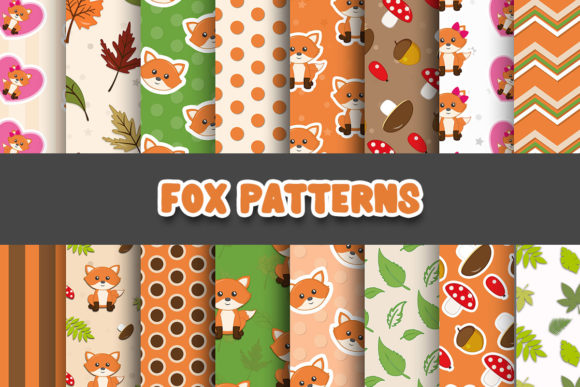
At their core, Fox Digital Paper Patterns are high-resolution digital files designed to mimic the look and feel of physical patterned paper. They typically feature fox illustrations, silhouettes, or themed geometric repeats — sometimes playful and cartoony, other times rendered in watercolor, vintage engraving styles, or minimalist line art. Unlike a single clip-art image, these are seamless or tileable designs meant to cover larger surfaces. That means you're not just getting a fox sticker; you're getting an entire background, a cohesive visual language you can stretch across multiple elements of a project.
The digital nature of these patterns changes everything about accessibility. You're not waiting for a physical shipment or worrying about limited stock. You download, you print or import, and you're working within minutes. For someone juggling client deadlines or prepping for a weekend craft fair, that immediacy carries real weight.
Resolution and Print Quality Considerations
One of the first things experienced buyers look at is DPI — dots per inch. Most quality Fox Digital Paper Patterns ship at 300 DPI, which is the sweet spot for crisp, professional-grade printing. Anything lower and you risk pixelation, especially on larger formats like 12x12 scrapbook pages or fabric prints. The file format matters too. JPEGs are common and widely compatible, but PNG files with transparency give you more layering flexibility if you're working digitally in Photoshop or Procreate.
If you're planning to use these patterns for physical products — greeting cards, wrapping paper, fabric panels — confirming the resolution upfront saves you from the heartbreak of a blurry final output. Most reputable sellers list this information clearly, and it's worth checking even if you're in a hurry.
Where Fox Motifs Shine Brightest
Fox imagery carries a particular set of associations that designers tap into deliberately. The animal suggests cleverness, warmth, and a connection to woodland and autumn aesthetics. That makes Fox Digital Paper Patterns especially popular in seasonal crafting — think fall-themed scrapbook layouts, Thanksgiving table decor, and cozy nursery wall art. But the appeal doesn't stop when the leaves drop. A well-designed fox pattern in muted earth tones or Scandinavian-inspired simplicity works year-round.
Here are some of the most common places you'll see these patterns at work:
- Scrapbooking and memory keeping: Background pages or accent strips featuring subtle fox prints add character without overwhelming photos.
- Party and event stationery: Birthday invitations, baby shower decor, and woodland-themed celebrations lean heavily on fox motifs.
- Fabric and textile design: Printed onto cotton or linen through services like Spoonflower, these patterns become custom clothing, quilts, or home accessories.
- Nursery and children's room decor: Framed prints, wall decals, or even custom wallpaper borders created from fox patterns bring whimsy into a child's space.
- Small business product lines: Makers use these patterns on mugs, tote bags, phone cases, and stationery sets — often building entire brand identities around woodland themes.
How Creators Use These Patterns Day to Day
Let's get concrete. Imagine you run a small Etsy shop selling printable party decor. A customer requests a fox-themed birthday banner. You could spend hours illustrating individual elements from scratch, or you could purchase a set of Fox Digital Paper Patterns with a commercial license, customize the color palette to match the client's scheme, and assemble the banner in a design program in under an hour. That speed translates directly into profitability — and it lets you take on more custom work without burning out.
For a scrapbooker, the workflow might look different. You're working on a fall family album and want the pages to feel cohesive. You pull a few coordinating fox patterns — one with a large-scale watercolor fox face, another with a subtle repeat of tiny fox tracks and autumn leaves — and use them as page backgrounds and border strips. Because the files are digital, you can resize them to fit 8x8 or 12x12 formats without losing quality. You print exactly what you need, no wasted sheets, no leftover paper you might never use again.
Layering and Digital Manipulation
One under-discussed advantage of digital patterns is how easily they can be layered and altered. In a program like Adobe Photoshop or Affinity Designer, you can adjust the opacity of a Fox Digital Paper Pattern to create a subtle watermark effect behind journaling. You can recolor elements to match a specific palette. You can even extract individual fox illustrations from a pattern file if the design allows for it, essentially getting multiple assets from a single purchase.
This flexibility means that even if two different crafters buy the same fox pattern set, their final projects rarely look identical. One might mute the colors for a vintage feel. Another might crank up the saturation and pair it with bold typography for a modern kid's product. The pattern is a starting point, not the finished piece.
Licensing Nuances You Should Know
Before you purchase any digital pattern set, including Fox Digital Paper Patterns, the licensing terms deserve your attention. Most products fall into one of two broad categories: personal use only or commercial use allowed. Personal use covers your own scrapbooks, home decor, and gifts. The moment you start selling products that incorporate the pattern — even if you've modified it significantly — you typically need a commercial license.
Some designers offer extended commercial licenses that cover higher sales volumes or specific product types like fabric or print-on-demand items. The language varies between platforms. Etsy sellers, Creative Market shops, and independent designer websites all have their own terms. Reading the fine print isn't glamorous work, but it protects you from copyright disputes and supports the artists who create these resources in the first place.
Choosing Patterns That Actually Work
Not all fox patterns are created equal, and the prettiest thumbnail doesn't always translate to the most usable file. Here are qualities worth prioritizing when browsing Fox Digital Paper Patterns:
- Seamless repeat quality: If the pattern is meant to tile, zoom in and check the edges. A poorly executed repeat will show visible seams when applied to larger surfaces, which looks amateurish on fabric or wallpaper.
- Color consistency: Look for patterns that provide hex codes or Pantone references if color accuracy matters to your project. What looks warm and earthy on your monitor might print muddy or overly red depending on your printer calibration.
- Scale variety: Some sets include the same motif at multiple scales — a large focal pattern and a smaller coordinate — which gives you much more design range than a single-scale file.
- File organization: Well-named files, preview images, and clear folder structures save you time. A chaotic download with unnamed JPEGs is a friction point you don't need when you're in a creative flow.
The Aesthetic Range Available
Fox patterns span a surprisingly wide aesthetic territory. On one end, you have whimsical and child-friendly designs with rounded shapes, bright orange tones, and smiling fox faces — perfect for baby products and playful branding. On the other end, vintage and naturalist styles draw from 19th-century scientific illustrations, using sepia tones, fine hatching, and botanical accompaniments. There's also a growing market for modern minimalist fox patterns — geometric foxes built from triangles and clean lines, often in monochrome or limited palettes — that appeal to contemporary home decor and stationery brands.
This stylistic breadth is part of why the fox motif has staying power. It can be cute without being saccharine. It can be elegant without feeling stuffy. It crosses age demographics and design sensibilities with unusual ease.
Integrating Digital Patterns Into Modern Workflows
The shift toward digital crafting tools has accelerated dramatically. Apps like Procreate on the iPad, Canva in the browser, and Cricut Design Space for cutting machines all accept imported pattern files. Fox Digital Paper Patterns slot directly into these ecosystems. A Cricut user, for example, can import a fox pattern as a print-then-cut background, creating stickers, gift tags, or iron-on designs with a cohesive look. A Canva user designing social media graphics for a woodland-themed boutique can drag a fox pattern into a frame or use it as a textured background behind product photos.
Print-on-demand integration deserves special mention. Platforms like Printful, Redbubble, and Society6 let you upload pattern files and apply them to dozens of products at once. One well-chosen fox pattern can become a pillow case, a tote bag, a phone case, and a spiral notebook — all from the same digital asset. That efficiency is hard to overstate for independent creators building product lines on tight timelines.
Practical Observations From Longtime Users
Talk to crafters who have been using digital papers for years, and a few themes emerge. First, organization matters enormously. Building a personal library of Fox Digital Paper Patterns and other digital assets without a folder-and-tag system leads to frustration. Many experienced users recommend tagging by theme, color palette, and license type so you can find what you need when inspiration strikes.
Second, test prints save waste. Home printers vary wildly in how they render color. A test print on regular paper before committing to expensive cardstock or fabric sheets helps you calibrate expectations. If you're outsourcing printing to a professional service, ordering a single proof before a bulk run is a small investment that can catch color mismatches early.
Finally, community knowledge is valuable. Forums, Facebook groups, and YouTube channels dedicated to digital crafting often surface hidden gems — designers whose fox patterns print beautifully, or techniques for distressing a pattern to give it an aged look. Tapping into that collective knowledge shortens your learning curve considerably.
The Quiet Value of a Themed Collection
There's a case to be made for committing to a theme. Creators who build entire collections around woodland or forest animals, with foxes as a central element, often find that consistency strengthens their brand recognition. A shop that sells baby blankets, bibs, and nursery prints all featuring the same fox pattern family feels curated rather than random. Customers who love one fox product are likely to browse for coordinating pieces, increasing average order value.
Fox Digital Paper Patterns make this kind of theming far more accessible. You're not commissioning an illustrator for each new product. You're working from a set of coordinated patterns, pulling different scales and colorways to create visual variety within a unified aesthetic. The result looks intentional — because it is.
For anyone building a creative business, managing a memory-keeping hobby, or simply looking to add warmth and character to a project, these patterns offer a blend of charm and practicality that's genuinely hard to beat.