Understanding Elephant Digital Paper Patterns and How They Fit Into Craft and Design Projects
Digital paper patterns have become a staple resource for crafters, designers, and hobbyists who want to recreate textured or decorative surfaces without physical materials. Among the many themed options available, Elephant Digital Paper Patterns stand out for their blend of cultural symbolism, visual warmth, and versatility. Whether you are designing scrapbook layouts, creating personalized stationery, or building digital products, these patterns offer a distinct aesthetic that can shift the tone of a project. This article explores what defines elephant digital paper patterns, how they compare with other patterned digital papers, and when they might—or might not—be the right choice for your work.
What Sets Elephant Digital Paper Patterns Apart
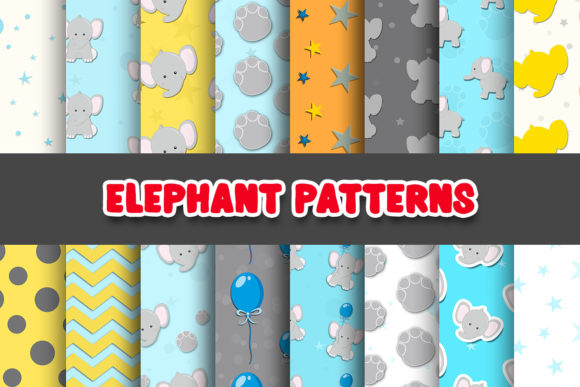
Elephant digital paper patterns are high-resolution graphic files that feature elephant motifs, silhouettes, or illustrated designs arranged across a repeatable background. They are typically sold in formats like JPEG or PNG and come in sets that coordinate color palettes with varying pattern densities. Unlike generic polka dots, stripes, or abstract textures, elephant patterns carry immediate thematic weight. The elephant is associated with wisdom, strength, and good fortune across many cultures, which makes these patterns especially appealing for projects that aim to convey depth or storytelling.
What distinguishes a quality elephant digital paper set from a simple clip-art collection is the intentionality behind the pattern repeat. Seamless tiling matters for anyone printing large backgrounds or designing fabric. Many creators also include layered files or transparent PNGs, giving buyers flexibility to adjust opacity or overlay patterns onto other surfaces. The better sets anticipate how the paper will actually be used, not just how it looks on a screen preview.
Comparing Themed Patterns Versus Abstract or Neutral Designs
When evaluating elephant digital paper patterns, it helps to place them alongside other categories of digital paper. Broadly, digital papers fall into three groups: neutral textures, abstract patterns, and thematic designs. Neutral textures—such as kraft paper, linen, or watercolor washes—are endlessly reusable because they do not impose a specific visual story. Abstract patterns, like chevrons, marbling, or geometric repeats, sit in a middle zone where they bring energy without a fixed meaning.
Thematic designs, including elephant digital paper patterns, occupy a different space. They work best when a project benefits from a clear motif. A baby shower invitation suite might use soft elephant patterns to reinforce a nursery theme. A travel journal documenting a trip to South Asia could layer elephant papers as cultural anchors. However, the same specificity that makes them effective in these contexts can limit their reuse. A designer who needs backgrounds for diverse client work may find neutral textures more adaptable month to month, while someone building a cohesive brand around wildlife or ethical fashion might return to elephant motifs repeatedly.
Common Formats and How They Shape Usability
Most elephant digital paper patterns are sold as 12x12-inch files at 300 DPI, a standard that suits both digital and print applications. Some artists offer A4 or letter-size alternatives. Before purchasing, it is wise to confirm whether the files arrive as seamless tiles, individual sheets, or both. Seamless patterns allow for continuous backgrounds at any scale, while individual sheets can be easier to drop into a project without additional manipulation.
Licensing terms also vary meaningfully between sellers. Some elephant digital paper patterns come with extended commercial licenses that permit use in physical products for resale, such as printed fabric or handmade cards. Others restrict usage to personal projects only. Failing to check this detail can lead to complications if you later decide to sell items made with the patterns. The most transparent creators post licensing summaries plainly, and that clarity often signals a professional product.
Practical Strengths of Elephant Digital Paper Patterns
The appeal of elephant patterns goes beyond surface-level charm. At their best, they offer several concrete advantages for different types of work:
- Immediate narrative value. An elephant motif adds storytelling weight without needing extra design elements. This can shorten the time spent searching for complementary graphics.
- Cross-cultural resonance. Elephants carry positive associations in many traditions, making these patterns a safer thematic choice for multicultural audiences than motifs with narrower symbolic reach.
- Gender-neutral warmth. In children's design spaces, elephant patterns avoid strict gender coding while still reading as gentle and approachable, a balance that can be harder to achieve with florals or transportation themes.
- Coordination ease. Many elephant digital paper sets are sold with coordinating solids, stripes, or smaller accent patterns pre-matched, which reduces the guesswork of building a cohesive palette.
For content creators who sell digital invitations, printable wall art, or planner inserts, elephant patterns can differentiate a product line without requiring custom illustration work. A well-chosen elephant paper can become a subtle signature element.
Where the Tradeoffs Appear
No design resource fits every situation, and elephant digital paper patterns carry specific limitations worth acknowledging honestly. The most obvious is their thematic specificity, which can make them read as overly literal if the surrounding context does not support the motif. Placing elephant patterns into a corporate presentation or a minimalist wedding suite may create visual friction rather than harmony.
Another factor involves trend sensitivity. Animal motifs cycle in and out of fashion within craft and design communities. While elephants are less volatile than some trends, the broader popularity of certain illustration styles—watercolor, boho line art, or realistic photography—can affect how current a particular set of elephant digital paper patterns appears over time. Buyers who want a resource that lasts across multiple seasons may prefer patterns rendered in classic or understated styles rather than highly stylized treatments.
Print fidelity also warrants attention. Intricate elephant patterns with fine line work or subtle watercolor washes may reproduce beautifully on a high-quality inkjet printer but lose definition on lower-end equipment or when scaled down dramatically. Testing a sample sheet before committing to a large print run can prevent disappointing results.
When Elephant Digital Paper Patterns Make the Most Sense
There are scenarios where choosing an elephant pattern feels less like a stylistic preference and more like a genuinely strategic fit. Consider these practical examples:
A small business that produces handmade baby memory books might use elephant digital paper patterns as inside covers or section dividers. The motif supports the emotional tone of the product while remaining distinct from generic baby imagery. Similarly, a yoga studio creating printable affirmation cards could incorporate elephant designs to subtly reference Ganesha-associated meanings of overcoming obstacles, provided the cultural context is handled with respect and awareness.
Educators and librarians designing reading logs or summer program materials for children often benefit from patterns that capture attention without overwhelming text. Elephant patterns with muted colors and generous white space can strike this balance effectively. The key in each case is that the pattern serves the project's purpose, rather than being added because the motif is simply available.
When to Consider Alternative Pattern Options
If a project demands visual neutrality to let photographs or text dominate, elephant digital paper patterns may compete rather than complement. In these instances, textured solids or tone-on-tone geometrics often support content more quietly. For projects aimed at audiences where specific animal imagery might not resonate or could feel out of context, botanical patterns or abstract watercolor washes can offer warmth without narrative distraction.
Budget considerations also matter. Because elephant patterns fall into a themed niche, high-quality sets can sometimes cost more than simpler texture bundles with broader utility. If you need digital papers for a single project with no plans for reuse, the per-sheet value may be lower than with a versatile neutral collection that spans multiple future assignments. Thinking through the likely frequency of use helps determine whether the investment aligns with real-world workflow.
Evaluating Quality Before You Buy
Experienced buyers tend to look beyond thumbnail previews when selecting elephant digital paper patterns. Resolution and DPI specifications matter, but so do the subtle qualities that affect real-world results. Examining close-up previews—when available—can reveal whether the elephant illustrations are cleanly rendered or show pixelation at intended print sizes. A seamless tile that looks flawless at screen size may reveal awkward repetition artifacts when spread across a 24-inch canvas.
Customer reviews and sample photos from buyers who have printed the patterns can provide practical insight that storefront previews obscure. Some designers also offer free sampler sheets, which present an opportunity to test color accuracy and print behavior on your specific equipment before purchasing a full set.
Integrating Elephant Patterns Into a Broader Design System
One underdiscussed aspect of using thematic digital papers is how they interact with other elements in a project. Elephant digital paper patterns, especially those with detailed illustrations or bold color contrasts, can easily dominate a composition. Using them as accent pieces—perhaps as a spine cover on a journal rather than the full front and back—often yields a more polished result. Layering vellum, text frames, or photo masks over patterned backgrounds can also modulate the intensity without fully obscuring the motif.
Designers who build digital scrapbooking kits or printable collections often pair elephant patterns with solid cardstock textures, subtle leaf prints, or tonal stripe papers to create visual breathing room. This approach extends the usefulness of the elephant paper while giving the end user more compositional control.
Making an Informed Decision
Elephant digital paper patterns fill a specific creative niche with a blend of thematic resonance and practical versatility. They reward projects that lean into storytelling, cultural richness, or gentle warmth, and they may underdeliver when neutrality or minimalism is the priority. Reading product descriptions carefully, verifying licensing terms, and testing samples on your intended output medium can all reduce the likelihood of a mismatch.
Ultimately, the choice rests on how well the pattern supports the larger project goals. When the motif aligns with the message, elephant digital paper patterns can elevate a design from simply pleasant to genuinely meaningful. When the fit is uncertain, exploring a broader range of textures and themes can clarify what the work truly needs. Taking that comparative view—rather than shopping purely from impulse—tends to produce results that satisfy well beyond the initial creative session.