Wildflowers Seamless Repeat Patterns: A Practical Guide
You have probably seen them on fabric, wallpaper, stationery, or website backgrounds without giving them a second thought. Wildflowers seamless repeat patterns are everywhere, quietly shaping how we experience visual design. They bring a sense of natural beauty and organic rhythm to surfaces both physical and digital. But what exactly are they, and why do so many creators, marketers, and business owners turn to them for their projects?
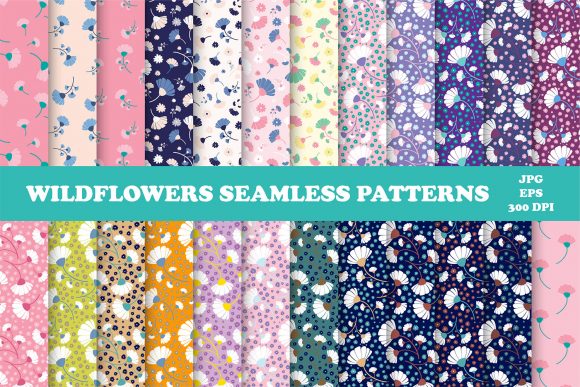
At its core, a wildflowers seamless repeat pattern is a digital design built so that when the image tiles horizontally or vertically, the edges blend perfectly without any visible seams or interruptions. The subject matter—wildflowers—brings together botanical elements like daisies, cornflowers, poppies, lupines, goldenrod, and delicate grasses arranged in a flowing, repeating layout. The seamless part is what makes the pattern endlessly flexible. You can extend it across any surface size without awkward breaks, making it a dependable asset for anyone working in surface pattern design, branding, publishing, or digital content creation.
What Sets Wildflowers Seamless Repeat Patterns Apart
Not all repeat patterns are created equal. The best wildflowers seamless repeat patterns share a few defining characteristics that make them stand out. First, there is the quality of the botanical rendering. Some patterns lean toward realistic watercolor blooms with soft edges and translucent washes. Others take a more illustrative approach, using clean linework, flat color fields, or even vintage herbarium-style botanical sketches. The common thread is a careful attention to how the flowers interact across the repeat boundaries.
Scale matters tremendously here. A pattern designed with tightly clustered small wildflowers creates a completely different feel than one with larger, more widely spaced blooms. The spacing—often called the density or rhythm of the repeat—determines whether the pattern feels airy and open or richly abundant. Good wildflowers seamless repeat patterns balance the distribution of visual weight so that no single area feels heavier than another unless that asymmetry is intentional.
Color is another critical layer. These patterns often draw from natural palettes: soft meadow greens, sky blues, butter yellows, dusty pinks, and earthy ochres. But you will also find more stylized versions using moody dark backgrounds with jewel-toned florals or minimal monochromatic linework for a modern, understated look. The versatility of the subject matter means wildflowers seamless repeat patterns can feel rustic, romantic, whimsical, or sleek depending entirely on the execution.
Why Creators and Professionals Keep Returning to These Patterns
There is a practical reason wildflowers seamless repeat patterns maintain their popularity across industries. They tap into something universally appealing—nature—without being tied to a specific season or fleeting trend. Unlike patterns built around holiday motifs or pop culture references, botanical patterns have staying power. That makes them a smart choice for product lines, branding assets, and digital templates that need to look relevant for years rather than weeks.
Another strength is their emotional undercurrent. Wildflowers suggest spontaneity, growth, resilience, and a kind of untamed beauty. When used thoughtfully, the pattern can subtly reinforce those associations in a brand or product. A skincare line using a delicate wildflower pattern on its packaging communicates a connection to natural ingredients. A stationery brand featuring pressed wildflower repeats signals care, craftsmanship, and a sense of nostalgia. These patterns do quiet work in shaping perception.
From a practical workflow standpoint, a well-constructed wildflowers seamless repeat pattern saves enormous time. Instead of commissioning custom artwork for every new surface, you can apply a single high-quality repeat pattern file across multiple media—fabric printing, gift wrap, digital backgrounds, social media templates, product mockups—and get consistent results instantly.
Where Wildflowers Seamless Repeat Patterns Show Up
The range of environments where these patterns add value is broader than many people realize. Let's explore a few key areas.
Surface and Textile Design
This is the most obvious home for wildflowers seamless repeat patterns. Fabric designers use them for quilting cotton, apparel textiles, upholstery, and linen. The seamless nature of the repeat means the pattern looks continuous whether it is cut into a small accessory or stretched across a full-length curtain panel. Home decor brands frequently license botanical repeat patterns for bedding sets, table linens, and decorative pillows precisely because they carry universal appeal.
Digital Products and Content Creation
Bloggers, course creators, and digital product sellers rely on wildflowers seamless repeat patterns to build cohesive visual identities. A pattern can become the background of a slide deck, the hero image in a website header, or the cover design for a lead magnet or eBook. Since seamless patterns tile cleanly at any resolution, they work across screen sizes without pixelation or awkward cropping. Digital scrapbooking kits, social media templates, and printable planners also frequently feature these patterns because they give users a polished, professional look without requiring design expertise.
Branding and Packaging
Small businesses and independent brands often lean into wildflower patterns for a reason. They communicate approachability and warmth. A bakery might wrap its bread loaves in tissue paper printed with a chamomile and cornflower repeat. A handmade soap company could use a subtle wildflower pattern as the unifying visual thread across labels, boxes, and website elements. The pattern becomes a recognizable signature without being loud or overly trendy.
Publishing and Stationery
Book cover designers, journal publishers, and greeting card creators have long understood the emotional pull of botanical repeats. A poetry collection might feature a delicate wildflower pattern on the endpapers. A wedding invitation suite might carry a tonal wildflower motif across the invitation card, envelope liner, and RSVP card. These patterns lend a handcrafted, intentional quality to printed materials that resonates with recipients.
Educational and Presentation Materials
Teachers and educators creating classroom resources, worksheets, or presentation materials often need visual elements that feel warm and inviting without distracting from the content. A muted wildflowers seamless repeat pattern used as a slide background or a header bar can soften the visual tone of a lesson plan or workshop handout, making the material feel more approachable.
Benefits That Go Beyond Aesthetics
While visual appeal is the first thing people notice, there are deeper benefits to incorporating wildflowers seamless repeat patterns into your toolkit.
- Brand consistency: Using a signature pattern across all touchpoints—packaging, website, social media, print collateral—creates a visual thread that reinforces brand recognition. Customers begin to associate that particular floral style with your business.
- Production efficiency: A single high-resolution seamless pattern file can replace multiple custom-designed assets, cutting down on design time and costs while keeping output looking cohesive.
- Emotional engagement: Natural motifs have been shown to evoke positive emotional responses. Wildflower patterns specifically tap into feelings of calm, nostalgia, and organic authenticity, which can deepen a customer's connection to the content or product.
- Scalability and adaptability: Whether you need the pattern for a tiny product label or a billboard-sized backdrop, the seamless tile structure ensures it scales without distortion. You can also recolor or adjust opacity to suit different contexts without rebuilding the repeat.
Real-World Examples and Use Cases
Consider a small-batch candle maker who launches a seasonal collection. Instead of designing completely different labels for each scent, they select a wildflowers seamless repeat pattern and apply it with varied background tints for each candle variant. The collection feels unified on the shelf, the design costs stay manageable, and the botanical theme aligns perfectly with the natural wax and essential oil positioning.
Or think about a freelance social media manager handling accounts for multiple clients. They keep a library of versatile wildflowers seamless repeat patterns in their asset folder. For a wellness coach, they use a lavender-and-daisy repeat as a post background with inspirational text overlaid. For a local florist, they swap in a bolder poppy-and-cornflower pattern for Instagram Story templates. The patterns adapt without requiring custom illustration work each time.
A self-published author uses a delicate wildflower repeat on their book cover background, creating a handmade, artisan feel that photographs well on e-commerce listings and stands out in thumbnail sizes. The same pattern appears on the author's website header and newsletter template, building a recognizable personal brand without needing extensive graphic design skills.
What to Look for When Choosing a Wildflowers Seamless Repeat Pattern
Not every pattern file will serve your needs equally. Here are practical factors to evaluate before you commit to a purchase or download.
Resolution and file format: Look for patterns delivered at a minimum of 300 DPI in a common, non-lossy format. Many quality patterns come as layered PSD files, high-resolution JPEGs, or PNGs with transparent backgrounds. Vector-based patterns offer the most scalability, especially for print applications that require large-format output.
Tile dimensions: The size of the repeat tile affects both the appearance and performance of the pattern. Smaller tiles repeat more frequently and can sometimes create a busier feel. Larger tiles allow for more detail and variation within the repeat, which often reads as more natural and less mechanical.
License terms: Pay close attention to whether the pattern is available for personal use only, commercial use, or extended commercial use that covers physical products for resale. The last thing you want is to build a product line around a pattern only to discover licensing restrictions later.
Color customization potential: Patterns provided with editable layers or as vector files give you the freedom to adjust colors to match your specific brand palette. Even a beautifully composed wildflower pattern might need a tweak to fit into an existing visual identity.
Seam quality: The defining feature of these patterns is the invisible seam. Before committing to heavy use, test the pattern by tiling it across a large canvas and examining the edges at multiple zoom levels. A poorly constructed repeat will show visible lines, abrupt cutoffs, or unnatural clustering at the tile boundaries.
Working With Wildflowers Seamless Repeat Patterns Effectively
Once you have selected the right pattern, how you implement it can make the difference between a design that feels intentional and one that feels thrown together. Scale is the most powerful lever you control. Enlarging the pattern creates a dramatic, almost illustrative focal point. Shrinking it down produces a textured, subtle effect that reads more like a surface finish than a distinct design element.
Consider contrast carefully. Busy wildflowers seamless repeat patterns with many overlapping elements can compete with text placed on top. In those cases, adding a semi-transparent overlay between the pattern background and the foreground content preserves readability while keeping the pattern visible. Alternatively, reserving the most detailed patterns for areas without text—such as borders, packaging side panels, or website footer sections—lets the design breathe.
Layering is another technique worth exploring. A soft wildflower repeat can sit underneath clean, minimal typography for a refined look. The same pattern overlaid with a subtle paper texture or a gentle gradient gains depth and a tactile quality that translates beautifully in both print and digital formats.
Integrating Patterns Into a Larger Creative Workflow
For professionals who work across multiple projects, building a curated collection of wildflowers seamless repeat patterns makes ongoing creative work faster and more consistent. Over time, you learn which patterns in your library pair well together and which ones work for different tones—airy and romantic versus bold and graphic. This kind of asset management mirrors how branding agencies maintain style guides and component libraries, just on a smaller and more personal scale.
It is also worth noting that wildflowers seamless repeat patterns pair exceptionally well with other organic design elements. Photography with shallow depth of field, handwritten script fonts, natural kraft paper textures, and muted earthy color palettes all harmonize with botanical repeats. If you are building a brand or a product collection around themes of sustainability, craftsmanship, or nature, these patterns do much of the visual storytelling for you.
The growing availability of high-quality digital pattern libraries means creators at every level can access professional-grade designs without needing to master surface pattern illustration themselves. That democratization has led to more interesting, visually diverse products entering the market, from independent fabric lines to boutique digital templates that feel personal and distinct rather than mass-produced.
Wildflowers seamless repeat patterns are not just decorative assets. They are functional tools that solve real design problems—maintaining consistency, saving time, evoking a desired mood, and adapting across limitless formats. Whether you are updating a website, launching a stationery collection, preparing a client presentation, or designing packaging that needs to stand out on a crowded shelf, the right pattern can quietly elevate the entire project.