The Art of Animal Skin Hand Drawn Patterns: A Guide for Creatives
In a world increasingly saturated with digital graphics and uniform textures, there's a raw, authentic beauty found in animal skin hand drawn patterns. This artistic practice bridges the ancient and the contemporary, offering designers, artists, and crafters a unique way to bring organic, textured narratives into their work. It's more than just replicating scales or fur; it's about capturing the essence of a creature's hide through the human touch of pencil, ink, or brush.
What Are Animal Skin Hand Drawn Patterns?
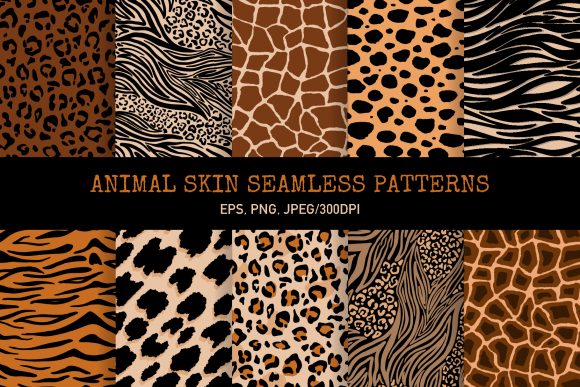
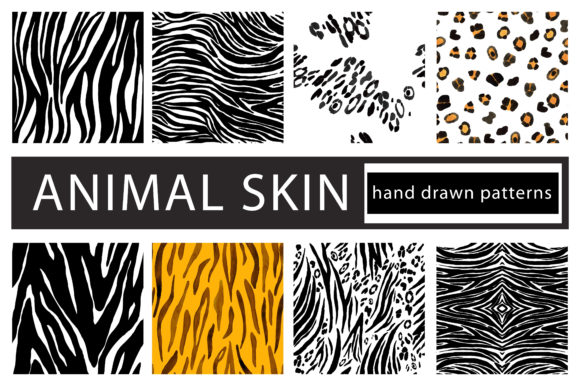
Let's start with the basics. Animal skin hand drawn patterns refer to illustrations that mimic the surface textures, markings, and patterns found on animal skins—such as reptile scales, tiger stripes, leopard spots, fish skin, or elephant hide. The key distinction is that they are created manually, not through digital filters or automated generation. Each line, dot, and shape is intentionally placed, resulting in a pattern that carries the subtle imperfections and artistic flair of its creator. This manual process allows for immense variation and customization, making each pattern truly one-of-a-kind.
The Core Appeal: Authenticity and Texture
Why choose a hand drawn approach over a quick stock image search? The answer lies in texture and soul. Digitally perfect patterns can sometimes feel cold and repetitive. Hand drawn animal skin patterns introduce a tactile, almost tangible quality. The uneven line weight, the slight overlaps in scales, the organic flow of stripes—these elements create a visual texture that feels alive. This authenticity resonates deeply in projects where connection to nature, ruggedness, or bespoke craftsmanship is a central theme.
Where These Patterns Thrive in Modern Projects
The application of animal skin hand drawn patterns is remarkably versatile, crossing multiple creative industries.
- Graphic Design and Branding: They are powerful tools for creating logos, packaging, and brand assets for companies related to outdoor apparel, conservation, luxury goods, or spirits. A hand drawn crocodile scale pattern on a whiskey label, for instance, conveys heritage and craftsmanship.
- Textile and Surface Design: Fashion and interior design are prime territories. These patterns can be translated onto fabrics for clothing, upholstery, or wallpapers. A hand drawn snakeskin pattern on a silk scarf has a different, more artistic energy than a mass-produced print.
- Illustration and Storytelling: Book illustrators and comic artists use them to add rich, detailed environments or to characterize mythical creatures. Drawing the unique skin pattern of a dragon can define its personality and origin.
- Product Design and Craft: From custom leather tooling to ceramic glazes, the patterns can be adapted onto physical objects. A hand drawn tortoise shell pattern etched onto a leather journal cover adds a layer of story and artisanal value.
Key Qualities of a Successful Hand Drawn Pattern
Not all sketches translate into effective patterns. When creating or selecting animal skin hand drawn patterns, several qualities determine their success.
- Recognizability vs. Artistic Interpretation: The pattern should evoke the specific animal skin without being a strict scientific replica. It's a balance—enough zebra striping to be identifiable, but with your own rhythmic flow.
- Repeatability and Scale: For use in design, the drawn motif must work when repeated across a larger area. Does the scale pattern tile seamlessly? Does the feather arrangement flow without awkward gaps?
- Line Quality and Consistency: The character of the drawing lines—whether scratchy, smooth, thick, or thin—sets the overall mood. Consistency in this quality ensures the pattern feels cohesive.
- Depth and Layering: Great patterns often use subtle layering to suggest depth. Shading within a scale or varying the density of spots can make a flat drawing feel three-dimensional.
Integrating Hand Drawn Patterns into Digital Workflows
You might wonder how this analog art fits into a digital-first world. It fits beautifully. The typical workflow starts on paper or a direct drawing tablet. The final sketch is then scanned or imported. Here, it becomes a versatile digital asset. It can be used as a standalone texture, converted into a vector for infinite scaling, or manipulated in software for color variations. This hybrid process preserves the hand drawn soul while granting all the flexibility of digital tools. Many designers create libraries of their own hand drawn animal skin patterns, building a unique resource that distinguishes their work from others who rely solely on generic digital textures.
Practical Considerations Before You Begin
If you're inspired to create or use these patterns, here are some practical points to ponder.
Research is Your Foundation: Don't just draw generic scales. Study the specific animal. How are a python's scales arranged versus a pangolin's? What's the difference between giraffe spots and jaguar rosettes? Reference photos are crucial. This research ensures your pattern has credibility and interesting detail.
Tool Choice Matters: The tools you use directly influence the outcome. Fine liners create crisp, graphic patterns ideal for vector conversion. Watercolor and brush pens yield softer, more painterly textures perfect for backgrounds. Charcoal can produce incredibly gritty, realistic renditions. Start with a tool that matches the final application you envision.
Consider the End Use Early: Are you drawing for a large wallpaper repeat, or a small logo? The scale and complexity of your pattern should be tailored from the start. A overly complex, detailed pattern might lose its impact when shrunk down for a mobile app icon.
Embracing "Imperfection": The human hand is not a printer. Some lines will wobble. A spot might be larger than its neighbor. In the context of animal skin hand drawn patterns, these are often strengths, not flaws. They break the mechanical monotony and add charm. Learn to distinguish between a productive "imperfection" that adds character and a genuine mistake that disrupts the pattern's flow.
A Scenario: Revitalizing a Brand with Hand Drawn Texture
Imagine a boutique outdoor gear company whose branding feels outdated. Their logo uses a stark, digital silhouette of a mountain lion. A designer introduces a hand drawn pattern based on the subtle, dappled fur patterns of that same lion. This pattern is used as a textured background on their website, as a subtle border on product tags, and as a watermark on their photography. Suddenly, the brand's identity shifts. It feels more tactile, grounded, and artisanal—directly appealing to their audience's desire for authentic, connected experiences. The pattern tells a story of careful observation and craftsmanship, aligning perfectly with the quality of the gear they sell.
The Unique Benefits Beyond Visual Appeal
The advantages of using animal skin hand drawn patterns extend past simply looking good.
They offer legal and ethical clarity. By creating your own pattern, you own it completely, avoiding stock image licensing issues. Furthermore, you're not directly using an image of an animal's skin, which can be a sensitive topic; you're offering an artistic interpretation.
They foster skill development. The practice of drawing these patterns hones your observation skills, patience, and understanding of organic repetition. It's a discipline that improves your overall drawing and design abilities.
Most importantly, they create connection. In a project, a hand drawn pattern is a direct conduit from the artist to the viewer. It signals time, care, and a personal touch. For the audience, it can evoke a stronger emotional response—a sense of wilderness, elegance, or primal energy—than a sterile, computer-generated alternative.
Whether you're a graphic designer looking to elevate a client's brand, an illustrator building a fantasy world, or a hobbyist exploring new artistic techniques, the realm of animal skin hand drawn patterns offers a rich and rewarding path. It invites you to look closer at the natural world, translate its beauty through your own hand, and infuse your creative projects with a texture that is unmistakably human and deeply resonant.